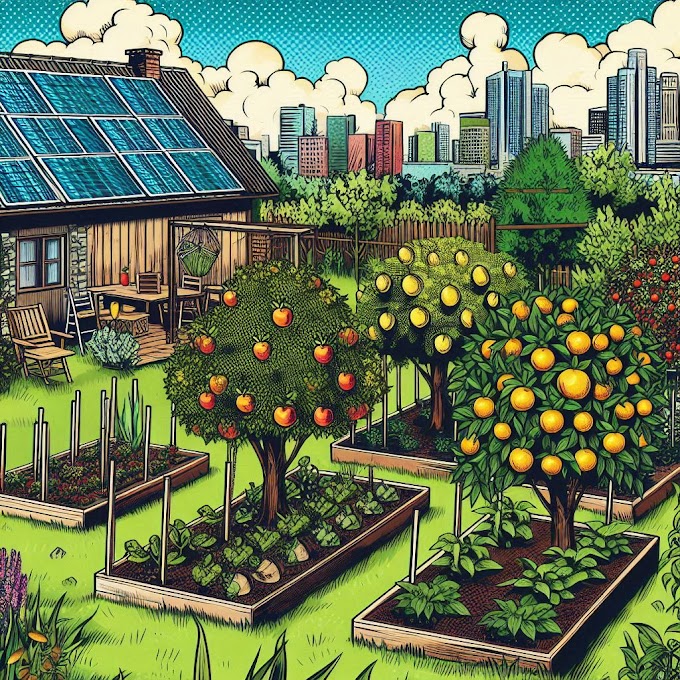
Tips To Start An Herb Garden 🌿
Starting an herb garden is a rewarding and enjoyable activity. Here are some tips to help you get started:
1. Choose the Right Location
- Sunlight: Most herbs need at least 6-8 hours of sunlight each day. Choose a sunny spot in your garden or a well-lit windowsill if you're growing herbs indoors.
- Soil: Herbs prefer well-draining soil. If your soil is heavy or clay-like, consider using raised beds or adding compost to improve drainage.
2. Select Your Herbs
- Beginner-Friendly Herbs: Start with easy-to-grow herbs like basil, parsley, mint, chives, and thyme. These herbs are hardy and require minimal maintenance.
- Purpose: Consider what you’ll use the herbs for. Culinary herbs, medicinal herbs, and decorative herbs can all have different requirements.
3. Use Quality Seeds or Plants
- Seeds: If starting from seeds, choose high-quality seeds from a reputable supplier. Follow the planting instructions on the packet.
- Seedlings: For a quicker start, purchase seedlings from a garden center. This can give you a head start, especially for slow-growing herbs.
4. Prepare Your Soil
- Soil Mix: Use a mix of garden soil, compost, and sand or perlite to ensure good drainage. Herbs don’t like to sit in waterlogged soil.
- pH Level: Most herbs prefer a slightly acidic to neutral pH (6.0-7.0). Test your soil and amend it if necessary.
5. Planting Techniques
- Spacing: Give your herbs enough space to grow. Check the specific spacing requirements for each herb.
- Depth: Plant seeds at the depth recommended on the seed packet. For seedlings, plant them at the same depth they were growing in their pots.
6. Watering
- Consistency: Herbs prefer consistent moisture but don’t like to be waterlogged. Water when the top inch of soil feels dry.
- Mulching: Use mulch to help retain soil moisture and suppress weeds. Be cautious not to mulch too close to the stems to prevent rot.
7. Fertilizing
- Moderation: Herbs don’t need a lot of fertilizer. Over-fertilizing can lead to excessive foliage growth at the expense of flavor.
- Organic Options: Use organic fertilizers like compost or well-rotted manure. A balanced, slow-release fertilizer can also be beneficial.
8. Pruning and Harvesting
- Regular Pruning: Regularly pinch back the tips of your herbs to encourage bushier growth and prevent flowering, which can make herbs bitter.
- Harvesting: Harvest herbs in the morning when the essential oils are at their peak. Use sharp scissors or pruners to avoid damaging the plants.
9. Pest and Disease Management
- Natural Methods: Use natural pest control methods like neem oil, insecticidal soap, or introducing beneficial insects.
- Healthy Plants: Keep your plants healthy by providing proper care, as strong plants are more resistant to pests and diseases.
10. Seasonal Care
- Winter Care: Some herbs are perennials and can survive the winter with proper care. Consider bringing potted herbs indoors or using cloches and mulch to protect outdoor herbs from frost.
- Rotation: Rotate your herb plants seasonally to ensure they get adequate sunlight and to prevent soil depletion.
Starting an herb garden is a fantastic way to enjoy fresh, flavorful herbs year-round. By choosing the right location, selecting suitable herbs, and providing proper care, you can create a thriving herb garden that enhances your culinary and medicinal experiences. Happy gardening! 🌿