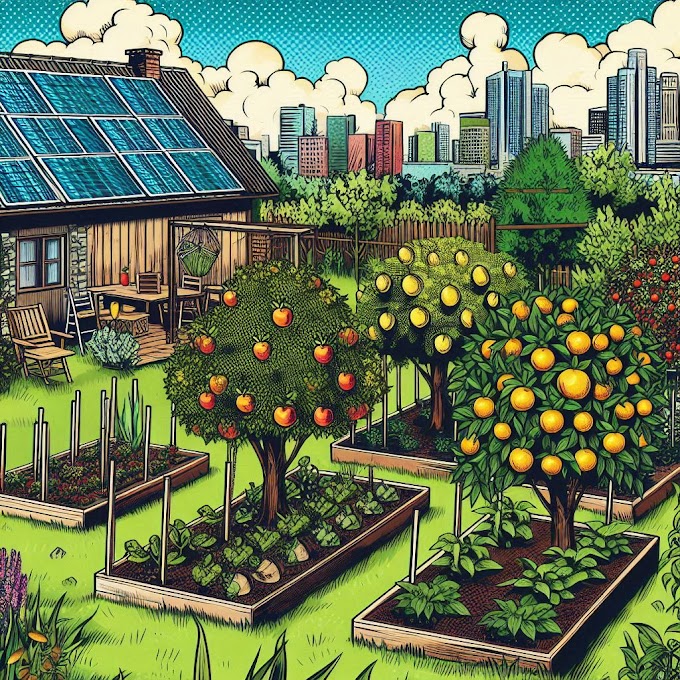
No Dig Gardening: A Simple and Sustainable Approach 🌿
No dig gardening is an innovative and sustainable method that promotes soil health, reduces labor, and enhances plant growth. By layering organic materials on the soil surface, you create a rich, fertile environment for your plants without the need for digging or tilling. Here’s how to get started with no-dig gardening and why it’s beneficial for your garden.
🌱 Benefits of No Dig Gardening 🌱
1. Improved Soil Health: No-dig gardening preserves soil structure and promotes the growth of beneficial microorganisms and earthworms.
2. Reduced Weeding: A thick layer of organic mulch suppresses weed growth, saving you time and effort.
3. Moisture Retention: Organic mulch helps retain soil moisture, reducing the need for frequent watering.
4. Less Labor: No-dig gardening eliminates the need for heavy digging and tilling, making it easier on your back and reducing soil compaction.
5. Enhanced Soil Fertility: Organic materials break down over time, enriching the soil with nutrients and improving its fertility.
🌸 How to Start a No Dig Garden 🌸
1. Choose the Right Location: Select a site with adequate sunlight (at least 6 hours of direct sunlight per day) and good drainage.
2. Prepare the Area: Remove any large weeds or debris from the site. You can lay down cardboard or newspaper to smother existing vegetation, ensuring it overlaps to block light effectively.
3. Build Layers: Create a lasagna-style bed by layering organic materials. Start with a base layer of cardboard or newspaper to suppress weeds. Then, add layers of compost, manure, straw, grass clippings, and leaves. Aim for a total depth of 6-12 inches.
4. Top Layer: Finish with a thick layer of well-rotted compost or topsoil. This is where you’ll plant your seeds or seedlings.
5. Planting: Make small holes in the top layer for your seeds or transplants. Water thoroughly after planting.
6. Mulching: Apply a layer of mulch, such as straw or wood chips, around your plants to retain moisture and suppress weeds.
🌿 Tips for Maintaining a No Dig Garden 🌿
1. Add Organic Matter Regularly: Keep adding layers of organic materials to the bed as they break down to maintain soil fertility and structure.
2. Minimal Disturbance: Avoid digging or turning the soil. If you need to plant new crops, gently create a hole in the existing layers.
3. Watering: Water your garden as needed, especially during dry spells. The mulch layer will help retain moisture.
4. Crop Rotation: Practice crop rotation to prevent soil depletion and reduce the risk of pests and diseases.
5. Monitor Soil Health: Regularly check soil health and add compost or organic fertilizers as needed to keep your plants thriving.
🌸 Best Plants for No-Dig Gardens 🌸
Vegetables: Tomatoes, peppers, beans, carrots, and lettuce thrive in no-dig gardens.
Herbs: Basil, parsley, thyme, and rosemary do well in this system.
Flowers: Marigolds, zinnias, sunflowers, and cosmos add beauty and attract beneficial insects.
🌿 Sustainable Gardening with No-Dig Methods 🌿
No-dig gardening is a sustainable and efficient way to grow a healthy, productive garden with minimal effort. By focusing on building soil health and reducing labor, you can enjoy a bountiful harvest while promoting a healthier ecosystem.
🌸🌿