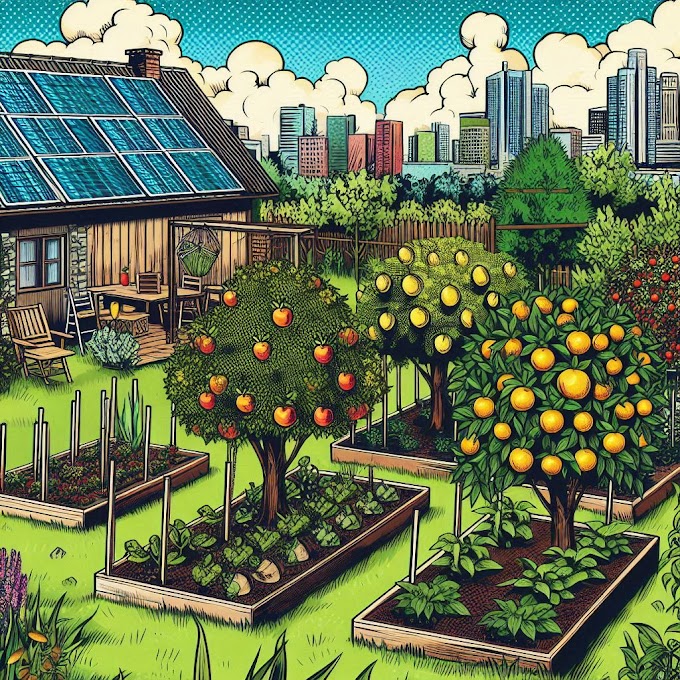
🍎 Integrating Fruit Trees Into Your Survival Garden
Plan Smart, Eat Long: Fruit Trees for Resilience and Nutrition
Fruit trees are more than decoration - they are long-term survival assets. Unlike annual vegetables, they come back year after year, produce abundant food, and can significantly increase your garden’s resilience. Adding them to your survival garden is an investment in both nutrition and security.
Here’s how to make fruit trees work for you.
Why Fruit Trees Matter for Survival
- Year-after-year harvests: Once established, trees produce food without replanting.
- High-calorie yields: Apples, pears, plums, and nuts pack more calories per square foot than most vegetables.
- Nutrition variety: Fruit adds vitamins, antioxidants, and minerals to your survival diet.
- Seed security: Certain trees allow you to save seeds or graft branches, giving you long-term propagation options.
Fruit trees are not just plants - they are living insurance.
Choosing the Right Trees
When selecting fruit trees for survival gardens:
-
Size Matters
- Dwarf and semi-dwarf varieties are perfect for small spaces and easy harvesting.
- Standard trees are fine if you have room and can manage pruning.
-
Climate Compatibility
- Apples, pears, plums, and cherries thrive in temperate zones.
- Citrus, figs, and pomegranates excel in warm climates or containers.
- Check chill hours and hardiness zones before planting.
-
Pollination Needs
- Some trees need cross-pollination. Plant compatible varieties nearby for reliable fruiting.
Survival Garden Essentials: Fruit Trees to Consider
- Apples – Gala, Fuji, Honeycrisp (dwarf or semi-dwarf for small spaces)
- Pears – Bartlett, Bosc, Seckel
- Plums & Cherries – Santa Rosa, Montmorency
- Peaches & Nectarines – Redhaven, Elberta
- Citrus (warm climates or containers) – Meyer Lemon, Satsuma Mandarin
- Figs – Brown Turkey, Celeste
- Pomegranates – Wonderful, Angel Red
- Nut Trees – Hazelnut, Almond, Dwarf Chestnut
Mixing fruit and nut trees spreads harvests and increases both calorie and nutrient diversity.
Tips for Establishing Fruit Trees
- Soil Preparation – Deep, well-draining, nutrient-rich soil ensures strong roots and good fruiting.
- Water Wisely – Young trees need regular watering; established trees prefer deep, infrequent irrigation.
- Prune Strategically – Keeps trees manageable, encourages fruiting, and prevents disease.
- Mulch & Fertilize – Mulch retains moisture and suppresses weeds; organic fertilizer boosts growth naturally.
- Protect from Pests – Netting, barriers, or companion planting can save your crops from birds and insects.
Designing Your Survival Orchard
- Layer your crops: Combine trees with ground cover, vegetables, or fast-growing crops for maximum efficiency.
- Plan harvest timing: Early, mid, and late-season trees ensure a continuous food supply.
- Consider space & access: Arrange trees so you can easily harvest, prune, and care for them without overcrowding.
A well-planned survival orchard is productive, low-maintenance, and highly rewarding - turning your garden into a reliable source of fresh food year after year.
Fruit trees are a long-term strategy for food security, nutrition, and resilience. Even a few well-chosen trees can dramatically boost your survival garden’s value. Plant smart, care consistently, and your garden will keep giving for decades.