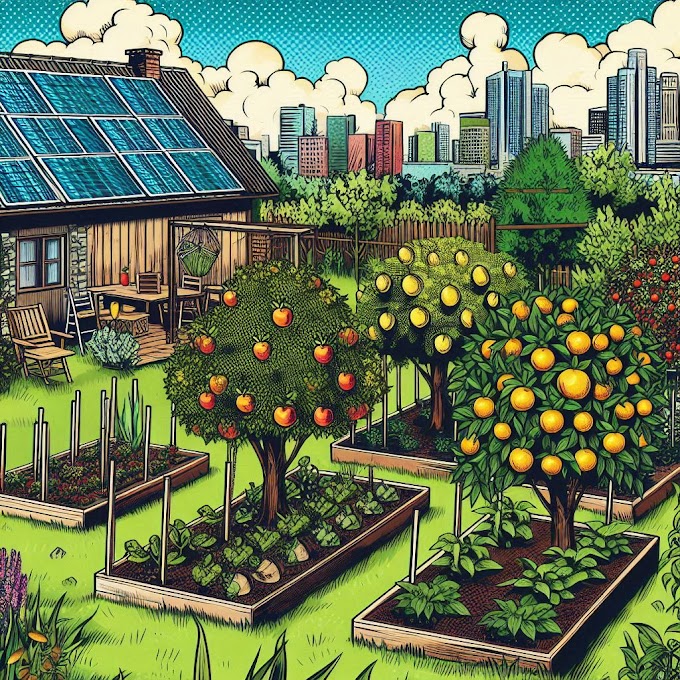
How To Grow Plum Trees : Growing Tips for Juicy Orchard Delights 🌳🍑
Plum trees (Prunus domestica) are cherished for their sweet, succulent fruits and graceful appearance, making them a beloved addition to orchards and home gardens alike. Cultivating plum trees requires attention to detail and proper care to ensure a plentiful harvest of delectable fruits.
Let's explore everything you need to know about growing plum trees, from selecting the right variety to harvesting and enjoying your homegrown plums.
Selecting Plum Varieties:
When choosing plum varieties for your garden or orchard, consider factors such as climate, fruit size, taste preferences, and pollination requirements. Some popular plum varieties include:
- Santa Rosa: Known for its large, red-skinned fruits with sweet, juicy flesh, Santa Rosa plums are excellent for fresh eating, cooking, and canning.
- Methley: A versatile plum variety with red-purple skin and sweet, flavorful flesh, Methley plums are prized for their early ripening and self-pollinating nature.
- Stanley: A European variety with blue-purple skin and firm, tart flesh, Stanley plums are ideal for cooking, baking, and making jams and preserves.
Planting and Location:
Plum trees thrive in full sun and well-drained soil with good air circulation. Choose a location in your garden that receives at least 6-8 hours of sunlight per day and has fertile, loamy soil with a pH between 6.0 and 7.0.
When planting plum trees, space them according to their mature size, typically 15 to 20 feet apart for standard-sized trees and 10 to 12 feet apart for dwarf varieties. Dig a hole twice as wide as the root ball and backfill with soil mixed with compost to improve soil fertility and drainage.
Pruning and Maintenance:
Prune plum trees annually during the dormant season (late winter to early spring) to remove dead, diseased, or crossing branches and to shape the tree for optimal fruit production. Open-center pruning is commonly used for plum trees to encourage light penetration and air circulation within the canopy.
Fertilizing and Watering:
Fertilize plum trees in early spring with a balanced fertilizer to provide essential nutrients for healthy growth and fruit development. Water plum trees deeply and regularly, especially during periods of drought or hot weather. Provide approximately 1 to 2 inches of water per week, ensuring that the soil is evenly moist but not waterlogged.
Pest and Disease Management:
Monitor plum trees regularly for signs of pests and diseases, such as plum curculio, aphids, or brown rot. Use cultural practices such as sanitation, proper pruning, and regular inspection to prevent infestations and minimize damage. Apply organic insecticides or fungicides as needed to control pest populations and prevent damage to the tree and fruit.
Harvesting and Enjoying Plums:
Harvest plums when they are fully ripe, typically in mid to late summer. The fruits should have a rich color and yield slightly to gentle pressure. Simply twist or cut the fruits from the tree, being careful not to damage the branches or surrounding fruit.
Plums can be enjoyed fresh, dried, or used in a variety of culinary applications, from pies and tarts to jams and chutneys. Their sweet, juicy flesh and vibrant flavor make them a versatile and delicious addition to any meal.
By following these tips for growing plum trees, you can enjoy a plentiful supply of sweet, juicy fruit right from your own backyard. Whether eaten fresh or preserved, plums are sure to delight your taste buds and add a touch of summer sweetness to your culinary creations. 🌳🍑