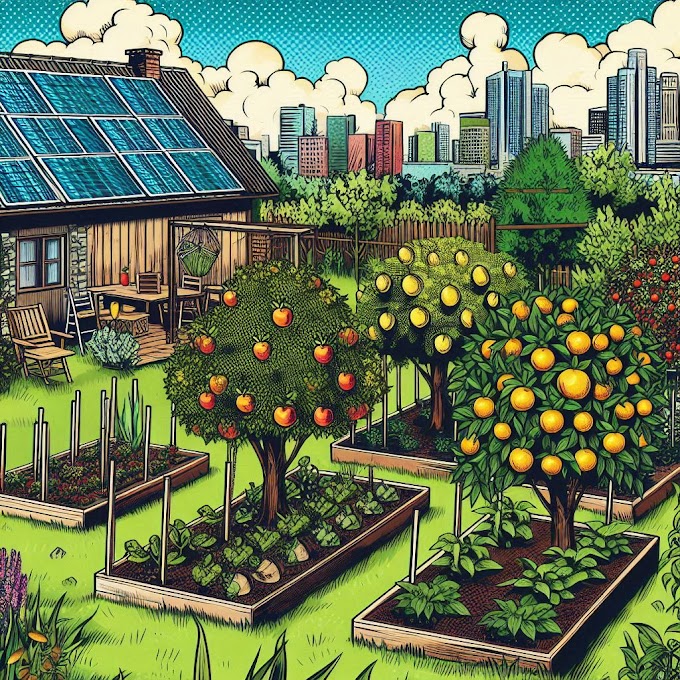
Advanced Survival Gardening
Beyond the Basics: Growing Food That Survives Any Crisis
So you’ve got your 101 garden running. Potatoes, beans, kale, maybe even a stubborn tomato or two. Nice work. But survival gardening is not about just scraping by. Advanced survival gardening is about self-sufficiency, resilience, and long-term planning. This is where your garden becomes a system, not just a patch of dirt.
Polyculture: The Smart Garden Approach
Monocrops are easy, but easy gets wiped out fast when pests or disease strike. Advanced gardeners use polyculture - growing multiple crops together to mimic natural ecosystems.
- Companion planting: Beans with corn, marigolds near tomatoes, basil with peppers.
- Diverse root systems: Mix deep-rooted with shallow-rooted plants to fully use soil layers.
- Pest resistance: Diversity confuses pests and reduces disease spread.
A polyculture garden is like a mini food forest. It resists collapse.
Perennial Systems for Real Security
Annuals are convenient, but perennials are the backbone of a sustainable survival garden.
- Fruit trees and berry bushes provide predictable yields year after year.
- Perennial vegetables like asparagus, rhubarb, and artichokes require almost no replanting.
- Nut trees (hazelnuts, chestnuts, pecans) produce calorie-dense food for decades.
Plant them in guilds: trees, shrubs, and herbs growing together support each other and conserve water.
Water Mastery
Advanced survival gardening is about water efficiency, storage, and backup.
- Rainwater harvesting: Gutters into barrels, cisterns, or underground tanks.
- Greywater reuse: Non-toxic household water for irrigation.
- Swales and berms: Contour your land to slow runoff and keep moisture near roots.
- Drought-tolerant crops: Amaranth, sorghum, millet, and sweet potatoes thrive on minimal water.
Water is the true limiting factor in any crisis garden.
Soil That Builds Itself
You already feed your soil. Now let it work for you:
- Cover crops: Clover, vetch, rye - they fix nitrogen, suppress weeds, and prevent erosion.
- Dynamic accumulators: Comfrey, borage, and yarrow pull nutrients from deep in the soil to surface leaves. Chop and drop to fertilize naturally.
- Sheet mulching: Layer cardboard, leaves, compost, and mulch for long-term fertility and weed suppression.
Think of your soil as a living partner. Healthy soil grows healthy, resilient plants without constant input.
Seed Banking for the Apocalypse
Once you’ve mastered seed saving, go next level:
- Diverse seed portfolio: Multiple varieties of the same crop hedge against disease and climate extremes.
- Storage rotation: Keep some seeds on-site, some in cool dry storage elsewhere.
- Cross-season planning: Grow winter, summer, and fall crops to avoid gaps.
Your seeds are your currency. Protect them like treasure.
Energy-Efficient Garden Layouts
Space is survival. Maximize every square foot:
- Vertical gardening: Trellises, cages, and living walls.
- Keyhole beds: Central compost well feeds surrounding plants efficiently.
- Interplanting: Quick-growing crops fill spaces while slower perennials mature.
A well-designed garden produces more food with less labor - vital when energy and time are scarce.
Integrated Pest Management
Forget chemical sprays. You need a system that balances pests, predators, and crops naturally:
- Beneficial insects: Ladybugs, lacewings, parasitic wasps.
- Trap crops: Sacrifice a few plants to distract pests from your main crops.
- Manual and natural controls: Neem oil, diatomaceous earth, row covers, and handpicking.
Pests are inevitable. A resilient system absorbs them without catastrophic losses.
Planning for Storage and Preservation
A garden is only survival-ready if its harvest lasts:
- Root cellars and cool storage: Potatoes, carrots, onions, garlic, cabbage.
- Fermentation: Sauerkraut, kimchi, pickles - nutritious, long-lasting, probiotic-rich.
- Drying: Herbs, beans, fruits - lightweight and shelf-stable.
- Canning: Pressure canning for low-acid foods, water bath for high-acid.
The advanced gardener grows food with the end game in mind: sustenance that lasts.
Final Thoughts: Gardens as Systems
Advanced survival gardening is not just about what you grow - it’s how everything works together:
- Soil feeds plants.
- Plants feed you and your seeds.
- Water is stored and conserved.
- Perennials keep producing year after year.
- Pests, diseases, and climate extremes are mitigated naturally.
Your garden is no longer a patch of vegetables - it is a resilient system, a lifeline, and a miniature ecosystem designed to survive the worst.
Remember: Every choice - from seed to soil to water - determines whether your garden feeds you or just decorates your backyard. Advanced gardening is about foresight, preparation, and ecological intelligence. If you can master this, you can survive, thrive, and even enjoy the chaos along the way.