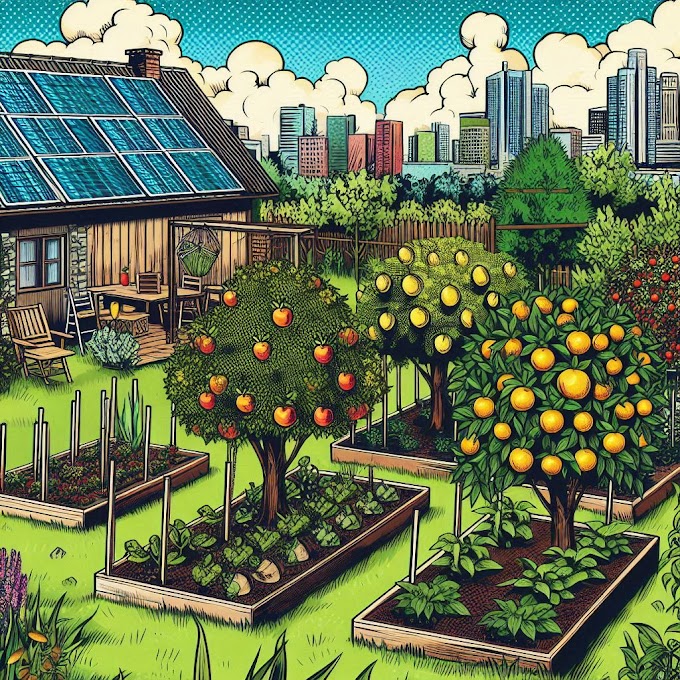
Chaos Gardening for Beginners
Chaos gardening, also known as companion planting or polyculture, is a gardening approach that mimics natural ecosystems by planting a diverse array of crops together. This method can help deter pests, improve soil health, and increase overall yield. Here are some additional tips for implementing chaos gardening in your organic vegetable garden:
- Companion Planting:
Beyond pest deterrence and flavor enhancement, companion planting offers numerous benefits. For instance, planting beans alongside corn can provide natural support for the corn stalks, while the beans fix nitrogen in the soil, benefiting both crops. Similarly, planting aromatic herbs like lavender or chamomile near cabbage plants can confuse pests and mask the cabbage scent, reducing pest damage.
- Succession Planting:
Maximizing the use of space throughout the growing season is key to chaos gardening. Succession planting involves planting crops in the same space one after another, allowing for multiple harvests from the same area. For example, after harvesting early-season crops like lettuce or spinach, replant the area with heat-loving crops like peppers or eggplants for a continuous harvest.
- Polyculture:
Embrace diversity in your garden by interplanting various crops together. Avoid monoculture, where only one type of crop is grown in an area, as it can lead to pest and disease outbreaks. Instead, mix different types of vegetables, herbs, and flowers to create a vibrant and resilient ecosystem.
- Beneficial Insect Habitats:
Encourage beneficial insects such as ladybugs, lacewings, and predatory beetles to thrive in your garden by providing suitable habitats. Planting a diverse range of flowers, especially those with small, clustered blooms like yarrow or dill, can attract beneficial insects that prey on garden pests.
- Natural Pest Control:
Implement natural pest control methods to manage pests without relying on harmful chemicals. For instance, introducing beneficial nematodes or predatory insects like praying mantises or parasitic wasps can help keep pest populations in check.
- Composting and Soil Building: Build healthy, fertile soil by incorporating composting into your gardening practices. Compost provides essential nutrients for plants, improves soil structure, and enhances water retention. Consider starting a compost pile or using a compost bin to recycle kitchen scraps, yard waste, and other organic materials into nutrient-rich soil amendments.
By incorporating these chaos gardening techniques into your organic vegetable garden, you can create a thriving ecosystem that supports healthy plant growth and abundant harvests. Experiment with different plant combinations, observe how they interact, and adapt your approach based on your observations and experiences.
With time and practice, you'll develop a deeper understanding of the interconnectedness of plants and the natural world, leading to greater gardening success and satisfaction.
In addition to the essential aspects covered in the article, there are several other important considerations that aspiring organic gardeners should be aware of:
1. Soil Testing:
Before starting your organic garden, it's beneficial to conduct a soil test to assess the pH level and nutrient content of your soil. This information can help you make informed decisions about soil amendments and fertilization strategies to optimize plant growth.
2. Watering Practices:
Proper watering is crucial for the success of your organic vegetable garden. Water deeply and infrequently to encourage deep root growth and reduce water waste. Consider installing a drip irrigation system or using soaker hoses to deliver water directly to the root zone and minimize evaporation.
3. Weed Management:
Effective weed control is essential to maintain the health and productivity of your organic garden. Utilize mulch, hand weeding, and mechanical cultivation to suppress weed growth and prevent competition for nutrients and water.
4. Integrated Pest Management (IPM):
Implement an integrated approach to pest management that combines cultural, mechanical, and biological control methods. Monitor your garden regularly for signs of pests and diseases, and intervene early to prevent infestations from becoming established.
5. Seasonal Considerations:
Understand the seasonal requirements of different vegetable crops and plan your planting schedule accordingly. Consider factors such as frost dates, temperature fluctuations, and day length when selecting varieties and timing your plantings for optimal growth and harvest.
6. Compost and Organic Matter:
Continuously replenish and improve your soil by incorporating organic matter such as compost, aged manure, and cover crops. These amendments not only provide essential nutrients but also enhance soil structure, water retention, and microbial activity.
7. Crop Selection:
Choose vegetable varieties that are well-suited to your climate, soil type, and growing conditions. Experiment with heirloom and open-pollinated varieties to preserve genetic diversity and explore unique flavors and characteristics.
8. Pollinator Habitat:
Create a pollinator-friendly environment in your garden by planting a diverse selection of flowering plants that attract bees, butterflies, and other beneficial pollinators. Supporting pollinators contributes to ecosystem health and enhances the productivity of fruiting crops.
9. Season Extension Techniques:
Extend your growing season and maximize harvests by employing season extension techniques such as row covers, cold frames, and hoop houses. These structures provide protection from frost and allow you to grow vegetables later into the fall and earlier in the spring.
10. Continuous Learning:
Gardening is a lifelong journey of learning and discovery. Stay curious, seek out resources, and connect with fellow gardeners to expand your knowledge and skills. Experimentation and adaptation are essential aspects of successful organic gardening.
By considering these additional factors and embracing a holistic approach to organic gardening, you can create a thriving and sustainable vegetable garden that provides abundant harvests and nourishes both body and soul.