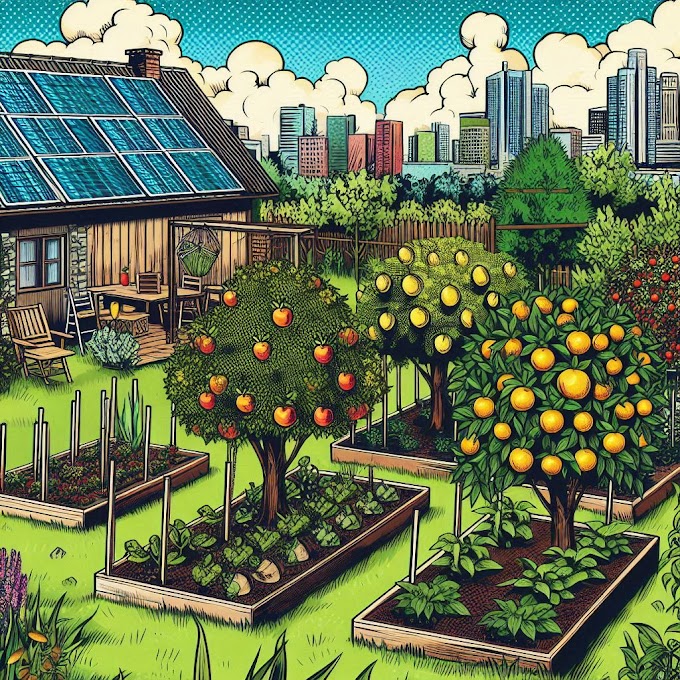
Simple Garden Maintenance
Once you've laid the groundwork for your organic vegetable garden, it's essential to stay on top of maintenance tasks to ensure its continued health and productivity. Garden maintenance involves a variety of day-to-day activities, including watering, weeding, pruning, and pest management.
Watering:
Proper watering is crucial for the success of your organic garden. Aim to keep the soil consistently moist but not waterlogged, as overwatering can lead to root rot and other issues. Water deeply and infrequently to encourage deep root growth and drought tolerance in your plants.
Weeding:
Regular weeding is necessary to keep weeds from competing with your vegetable plants for nutrients, water, and sunlight. Hand-pull weeds as soon as you spot them, being careful to remove the entire root to prevent regrowth. Mulching can also help suppress weed growth and conserve soil moisture.
Pruning:
Pruning involves removing dead, diseased, or overcrowded plant material to promote healthy growth and airflow within your garden. Prune away yellowing or damaged leaves, dead stems, and any branches that are crossing or rubbing against each other. Pruning can also help shape and train your plants for optimal productivity.
Pest Management:
Effective pest management is essential to protect your organic garden from insect pests, diseases, and other threats. Monitor your plants regularly for signs of pest damage, such as chewed leaves, holes, or discoloration. Implement eco-friendly solutions such as hand-picking pests, using insecticidal soaps or neem oil, and attracting beneficial insects to help control pest populations naturally.
Harvesting and Storage:
Harvesting your homegrown vegetables at the peak of ripeness ensures the best flavor, nutritional value, and shelf life. Proper harvesting techniques and storage methods are essential to preserve the quality and freshness of your harvest for later use.
Harvesting:
When harvesting vegetables from your garden, use sharp pruners or scissors to cut the fruits or vegetables from the plant, leaving a small stem attached if possible.
Harvest leafy greens and herbs by snipping individual leaves or stems as needed, rather than removing the entire plant. Harvesting in the early morning or late evening when temperatures are cooler can help preserve the flavor and texture of your produce.
Storage:
After harvesting, it's essential to store your vegetables properly to maintain their freshness and quality. Some vegetables, such as root crops like carrots and beets, can be stored in a cool, dark place like a root cellar or refrigerator.
Others, like tomatoes and peppers, are best stored at room temperature out of direct sunlight.
Consider preserving your harvest by canning, freezing, drying, or fermenting vegetables for long-term storage and enjoyment throughout the year.
Seasonal Gardening Calendar:
Developing a seasonal gardening calendar tailored to your specific climate and growing conditions can help you plan and organize your garden tasks throughout the year.
A seasonal gardening calendar outlines when to plant, transplant, harvest, and perform other essential tasks to maximize the productivity of your garden and ensure a continuous supply of fresh produce.
Troubleshooting Guide:
Despite your best efforts, you may encounter challenges and setbacks in your organic garden, from nutrient deficiencies and soil imbalances to environmental stressors and unexpected weather events.
A troubleshooting guide can help you navigate these common issues by providing tips and solutions for diagnosing problems, identifying potential causes, and implementing effective solutions to keep your garden thriving.
Community and Resources:
Connecting with fellow gardeners and tapping into valuable resources can provide additional support and guidance on your organic gardening journey.
Explore local gardening clubs, online forums, extension services, and educational workshops to exchange ideas, seek advice, and access additional information and support.
By building a network of like-minded individuals, you can learn from others' experiences, share successes and challenges, and grow together as gardeners.
Advanced Techniques:
Delve into advanced organic gardening techniques and concepts to deepen your understanding and enhance your skills.
Explore topics such as seed saving, crop breeding, permaculture design, and ecological landscaping to take your gardening practice to the next level and cultivate a more sustainable and resilient food system.
Experiment with new methods and approaches, push the boundaries of conventional gardening, and embrace innovation and creativity in your garden.
Beyond the Garden:
Discover the broader implications of organic gardening and explore ways to promote environmental stewardship, biodiversity conservation, and community resilience through your gardening efforts.
Learn how to support pollinators, protect natural habitats, and advocate for sustainable food systems in your local community and beyond. By embracing a holistic approach to gardening, you can contribute to positive change and make a meaningful difference in the world around you.
Inspiration and Reflection:
Reflect on the joys and rewards of organic gardening and find inspiration in the beauty and abundance of the natural world.
Celebrate the seasons, observe the rhythms of life in your garden, and cultivate a deeper connection to the earth and all living beings through your gardening practice.
Take time to appreciate the simple pleasures of planting a seed, watching it grow, and harvesting the fruits of your labor. By nurturing your garden with care and reverence, you can experience a profound sense of fulfillment and connection to the cycles of life.
By incorporating these additional sections into the beginner's book on organic gardening, new gardeners can gain a comprehensive understanding of the principles, practices, and values underlying organic gardening and embark on a fulfilling and transformative journey of cultivation, connection, and stewardship.