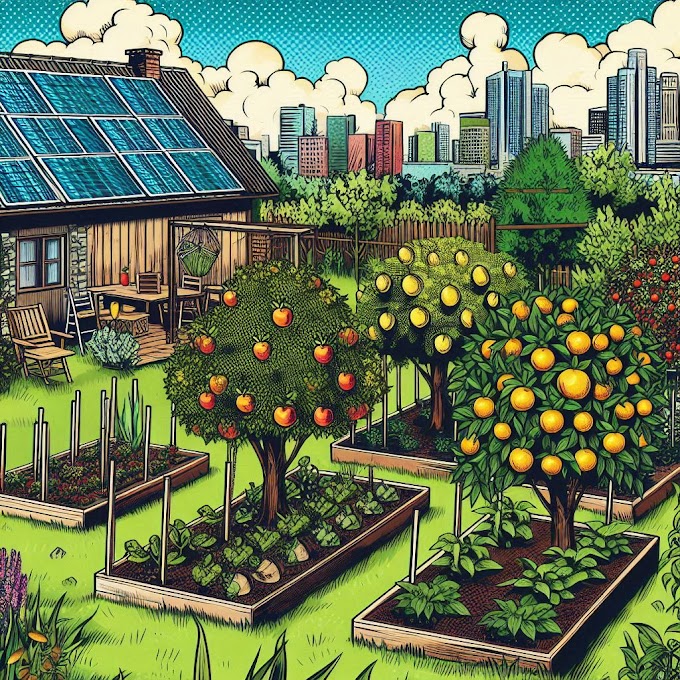
Nurturing Nature: Tips for Eco Friendly Gardening Practices
In a world where environmental sustainability is increasingly important, eco-friendly gardening practices offer a way to cultivate beautiful gardens while minimizing our impact on the planet. By embracing organic methods, conserving resources, and promoting biodiversity, gardeners can create thriving landscapes that benefit both people and the environment. Whether you're a seasoned gardener or just starting out, here are some tips for nurturing nature in your own backyard:
Cultivating an Eco-Friendly Garden:
1. Soil Health:
- Build healthy soil by incorporating organic matter such as compost, leaf mold, and aged manure into your garden beds.
- Practice minimal tillage to preserve soil structure and microbial diversity, reducing erosion and nutrient runoff.
2. Water Conservation:
- Use water-efficient irrigation methods such as drip irrigation or soaker hoses to deliver water directly to plant roots, minimizing waste through evaporation and runoff.
- Collect rainwater in barrels or cisterns to use for watering your garden, reducing reliance on treated municipal water.
3. Natural Pest Management:
- Attract beneficial insects such as ladybugs, lacewings, and parasitic wasps by planting a diverse array of flowering plants and providing habitat features such as insect hotels and brush piles.
- Use natural pest control methods such as hand-picking pests, applying neem oil or insecticidal soap, and introducing biological controls such as nematodes and predatory insects.
4. Companion Planting:
- Practice companion planting by pairing compatible plant species to enhance growth, repel pests, and attract beneficial insects.
- For example, plant aromatic herbs like basil and thyme alongside tomatoes to deter pests, or interplant flowers such as marigolds and calendulas to attract pollinators and beneficial insects.
5. Native Plants:
- Choose native plants adapted to your region's climate and soil conditions, as they require less water, fertilizer, and maintenance compared to non-native species.
- Native plants also provide habitat and food for local wildlife, promoting biodiversity and ecosystem health.
6. Chemical-Free Maintenance:
- Avoid synthetic fertilizers, herbicides, and pesticides, which can harm beneficial organisms, pollute waterways, and disrupt ecosystem balance.
- Opt for organic fertilizers, compost, and mulch to nourish your soil naturally and promote plant health without relying on synthetic chemicals.
Tips for Eco-Friendly Gardening:
- Build healthy soil with organic matter and minimal tillage.
- Use water-efficient irrigation methods and collect rainwater.
- Attract beneficial insects and practice natural pest management.
- Practice companion planting to enhance plant growth and repel pests.
- Choose native plants adapted to your region's climate and soil conditions.
- Avoid synthetic fertilizers, herbicides, and pesticides, opting for organic alternatives instead.
By adopting these eco-friendly gardening practices, you can create a vibrant and sustainable garden that not only enhances your outdoor space but also contributes to the health and well-being of the planet. Let's nurture nature and cultivate gardens that are both beautiful and environmentally friendly, one plant at a time.
Tips:
- Build healthy soil with organic matter and minimal tillage.
- Use water-efficient irrigation methods and collect rainwater.
- Attract beneficial insects and practice natural pest management.
- Choose native plants adapted to your region's climate and soil conditions.
- Avoid synthetic fertilizers, herbicides, and pesticides, opting for organic alternatives instead.