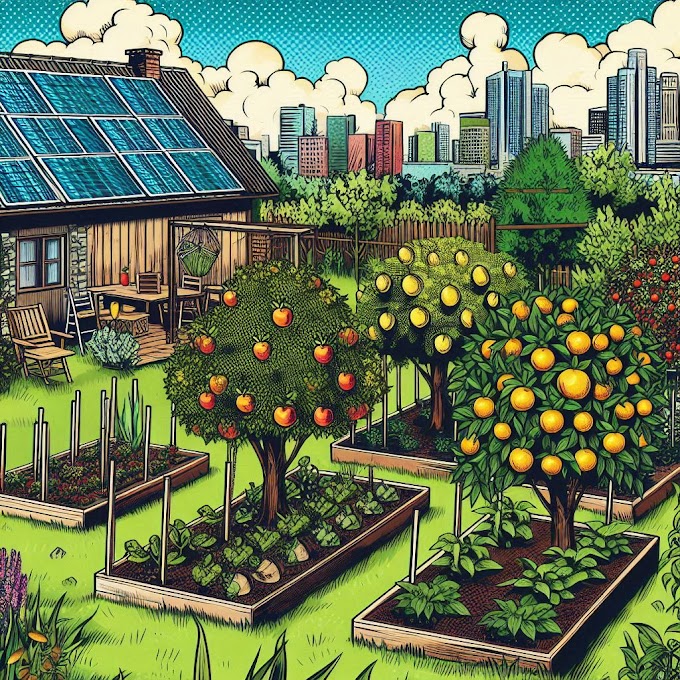
Survival Gardening 101

Survival Gardening 101
How to Grow Food When It Actually Matters
When the grocery shelves go bare, the internet goes dark, or the weather decides to throw a tantrum, a garden stops being a hobby and becomes a lifeline.
Survival gardening is not about growing pretty tomatoes for Instagram. It is about producing calories, nutrients, and seed security in a way that keeps you fed even when the systems around you wobble.
This is how you grow food like your future depends on it.
Because it might.
What Survival Gardening Really Means
Survival gardening focuses on four things:
- Calorie production
- Nutrition
- Reliability
- Seed saving
A single raised bed of salad greens is cute.
A garden that can keep a family alive is something else entirely.
Your goal is not variety for fun.
Your goal is crops that grow easily, store well, and give you the most food for the least effort.
Start With Crops That Actually Sustain Life
Not all vegetables are equal. Some look pretty and do almost nothing for hunger. Others quietly carry entire civilizations.
These are the backbone of any survival garden.
High Calorie Crops
These keep you full and give you energy.
- Potatoes
- Sweet potatoes
- Winter squash
- Corn
- Dry beans
- Peas
These crops store well, produce a lot of food per square foot, and do not need fancy care.
Nutrition Crops
These prevent illness and nutrient deficiency.
- Kale
- Cabbage
- Spinach
- Carrots
- Beets
- Turnips
- Onions
- Garlic
These give you vitamins, minerals, and immune support.
Perennial Food Crops
These come back every year without replanting.
- Berry bushes
- Fruit trees
- Rhubarb
- Asparagus
- Perennial herbs
In a real crisis, perennials are gold. They do not rely on seed supply or seasonal planting.
Soil Is the Real Survival Tool
You do not grow food.
You grow soil.
Healthy soil produces healthy plants even when fertilizer and garden centers are gone.
Feed your soil with:
- Compost
- Leaf mold
- Kitchen scraps
- Grass clippings
- Wood ash in small amounts
- Animal manure if you have access
Never leave soil bare. Cover it with mulch, straw, leaves, or chopped weeds. This keeps moisture in and protects the life underground.
Your soil should look dark, crumbly, and alive.
That is what keeps your garden going when nothing else is available.
Grow in Layers, Not Rows
Survival gardens are dense, not tidy.
Instead of neat rows, plant in layers:
- Tall crops like corn or sunflowers
- Medium crops like tomatoes and beans
- Low crops like lettuce and herbs
- Root crops below like carrots and beets
This mimics nature, reduces weeds, holds moisture, and gives you more food in less space.
A crowded garden is a productive garden.
Water Like You Might Lose It
Modern gardens assume unlimited water. Survival gardens do not.
Collect rainwater if you can.
Mulch heavily.
Water deeply but less often so roots grow strong.
Shallow watering makes weak plants.
Deep watering makes plants that survive drought.
Save Your Seeds
If you cannot save seeds, you do not have a survival garden. You have a one season garden.
Grow open pollinated or heirloom varieties whenever possible. Hybrid seeds do not reproduce true.
To save seeds:
- Let plants fully mature
- Harvest seeds when dry
- Store in cool, dark, dry containers
- Label everything
A small envelope of seeds can be more valuable than gold in hard times.
Think Beyond Vegetables
A true survival garden includes:
- Herbs for medicine and flavor
- Flowers for pollinators
- Compost plants like comfrey or clover
- Nitrogen fixers like beans and peas
This creates a self supporting ecosystem instead of a fragile food patch.
Start Small, But Start Now
You do not need acres.
You need consistency.
A few raised beds, containers, or backyard rows are enough to begin building food security.
Every season you grow something, you learn something.
Every year you save seeds, you gain independence.
And that is the real harvest.
🌙