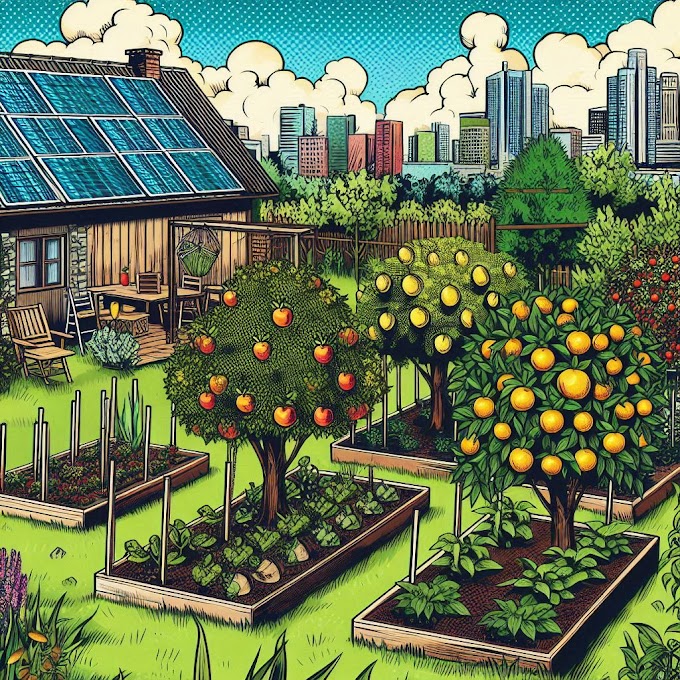
45 Essential Survival Gardening Tips
Building a survival garden is about more than planting seeds. It is about planning, preparation, and adapting to your environment. These 45 tips cover everything from soil to water, pests, and long-term resilience.
Planning and Preparation
- Choose a garden location with at least six hours of sunlight daily.
- Consider soil type and drainage before planting.
- Start small if you are new to gardening and expand gradually.
- Plan for crop rotation to maintain soil health.
- Keep a garden journal to track planting dates and yields.
- Design raised beds or containers for limited space or poor soil.
- Group plants with similar water and sunlight needs together.
- Consider your climate when selecting crops.
- Include a mix of fast-growing and long-term crops.
- Plan for succession planting to have continuous harvests.
Soil and Fertility
- Test your soil for pH and nutrients.
- Add compost to enrich soil naturally.
- Use organic fertilizers to avoid chemical buildup.
- Mulch to retain moisture and suppress weeds.
- Rotate crops to prevent nutrient depletion.
- Incorporate nitrogen-fixing plants like beans or peas.
- Avoid over-tilling to protect soil structure.
- Encourage beneficial soil microbes with natural amendments.
Water Management
- Collect rainwater for irrigation.
- Use drip irrigation or soaker hoses for efficiency.
- Water deeply and infrequently to strengthen roots.
- Mulch around plants to reduce evaporation.
- Harvest morning dew where possible for extra moisture.
- Plan drought-tolerant crops for dry seasons.
- Monitor soil moisture regularly.
Planting and Crop Selection
- Choose nutrient-dense crops like kale, spinach, and carrots.
- Grow protein-rich legumes such as beans and peas.
- Include herbs for flavor and medicinal uses.
- Plant a variety of crops to reduce pest and disease risks.
- Use companion planting to naturally deter pests.
- Consider vertical gardening to maximize space.
- Start seeds indoors for an early growing season.
- Harden off seedlings before transplanting outdoors.
Pest and Disease Control
- Encourage beneficial insects like ladybugs and lacewings.
- Rotate crops to reduce pest buildup.
- Remove diseased plants promptly.
- Use physical barriers like row covers to protect plants.
- Avoid overcrowding to improve air circulation.
- Inspect plants daily for early signs of infestation.
- Maintain garden cleanliness to prevent disease spread.
Harvesting and Storage
- Harvest crops at peak ripeness for best nutrition.
- Learn preservation techniques: canning, drying, freezing, or fermenting.
- Store root vegetables in cool, dark spaces.
- Save seeds from your best plants for future crops.
- Plan for long-term food storage with rotation to prevent spoilage.
Following these tips will help you build a survival garden that is productive, resilient, and adaptable. Over time, your garden will become a source of food security, independence, and confidence.