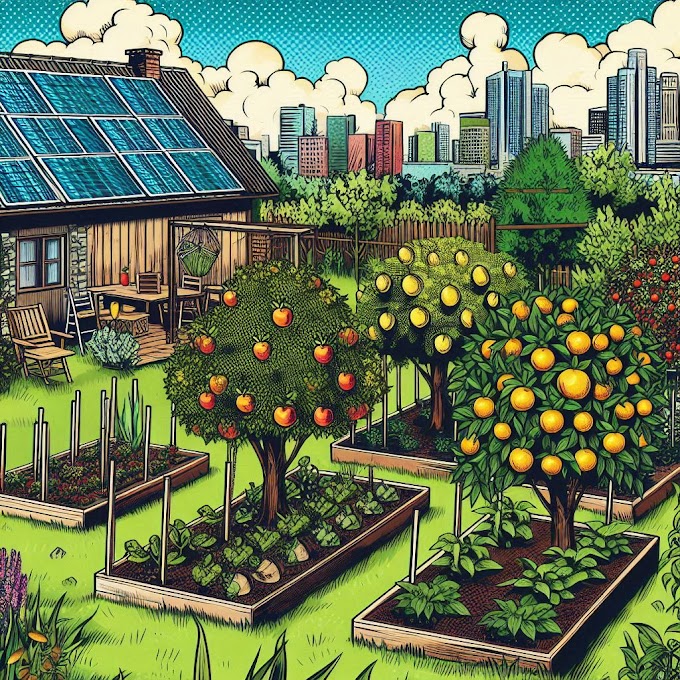
Chaos Gardening for Ecological Resilience
Gardening is often treated like a battle. We pull, prune, spray, and control in an attempt to bend nature to our will. Chaos gardening offers a different approach. Instead of domination, it invites cooperation.
Also known as ecological or naturalistic gardening, chaos gardening works with nature’s rhythms rather than against them. The goal is not disorder, but balance. By allowing natural systems to function with minimal interference, gardens become more resilient, diverse, and surprisingly productive.
Here’s how to embrace a little chaos and cultivate ecological resilience in your garden.
1. Work with Natural Processes
Nature already knows how to build healthy systems. Let fallen leaves break down and feed the soil instead of removing them. Allow seed heads to drop and self-sow. Leave stems and plant debris through winter to provide shelter for insects and wildlife. When you mimic natural ecosystems, your garden becomes more self-sustaining over time.
2. Prioritize Biodiversity
Diversity is the backbone of resilience. A wide mix of plants helps reduce pest pressure, supports pollinators, and strengthens the soil ecosystem. Include native plants whenever possible, mix flowers with vegetables, and avoid large monocultures. The more variety you allow, the more balanced your garden becomes.
3. Practice Sustainable Gardening
Chaos gardening does not mean neglect. It means choosing methods that support long-term health. Compost organic waste, mulch to protect soil, and conserve water whenever possible. Avoid synthetic fertilizers and pesticides that disrupt soil life and beneficial insects. Healthy soil creates strong plants that can better handle stress.
4. Design for Resilience
Gardens thrive when they are designed with local conditions in mind. Choose plants suited to your climate and soil rather than forcing unsuitable varieties to survive. Create microclimates using trees, shrubs, or structures to protect sensitive plants. Features like rain gardens, swales, and permeable paths help manage water naturally and prevent erosion.
5. Accept and Adapt to Change
Change is not failure. It is feedback. Plants will thrive, struggle, or disappear, and that information is valuable. Be open to experimentation and observe what works in your space. Let your garden evolve season by season instead of aiming for a fixed result.
6. Grow Community Alongside Plants
Ecological resilience extends beyond individual gardens. Share seeds, cuttings, and knowledge with neighbors. Participate in community gardens or local conservation efforts. When people work together, green spaces become stronger and more connected.
7. Find Joy in the Process
Chaos gardening is not about perfection. It is about relationship. Allow unpredictability. Notice the insects, birds, and volunteers that appear on their own. Celebrate the quiet resilience of natural systems doing what they do best.
By dancing with nature instead of trying to control it, you create a garden that is not only beautiful, but adaptable, balanced, and deeply alive. 🌱