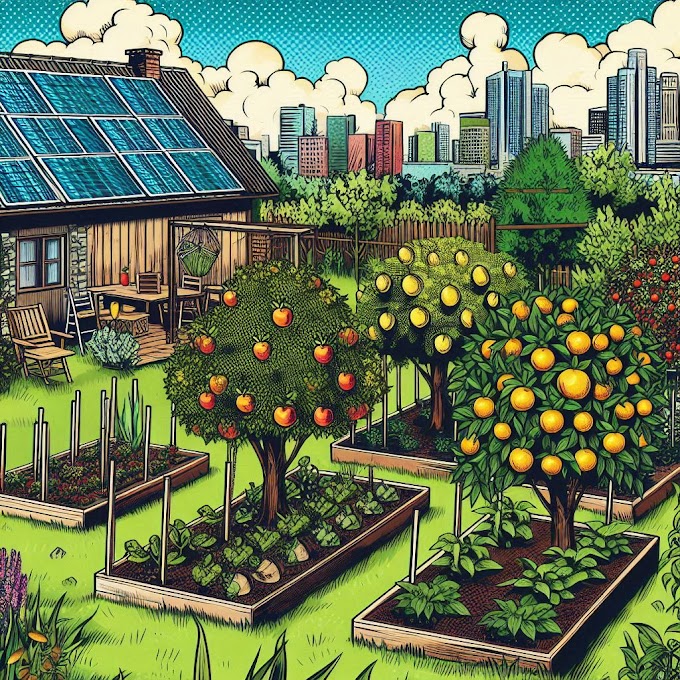
Growing Your Own Food for Self Sufficiency and Resilience
In an uncertain world, growing your own food is more than a hobby. It is a practical step toward self-sufficiency and resilience. Survival gardening equips you with skills and resources that can sustain you in emergencies, economic disruptions, or simply when you want healthier, fresher food.
Planning Your Garden
A successful survival garden begins with planning. Consider your climate, available space, soil type, and water access. Choose a location with at least six to eight hours of sunlight per day and good drainage. If space is limited, container gardening or vertical systems can provide surprisingly abundant yields.
Select crops based on three key factors: nutrition, storage potential, and ease of growth. Root vegetables such as carrots, beets, and potatoes store well. Leafy greens like kale and spinach provide essential vitamins and grow quickly. Legumes such as beans and peas improve soil fertility while providing protein. Herbs like basil, parsley, and thyme enhance flavor and offer medicinal benefits.
Soil Preparation
Healthy soil is the foundation of a thriving garden. Test your soil for pH and nutrient levels, and amend as necessary with compost or natural fertilizers. Mulching retains moisture, suppresses weeds, and contributes organic matter over time. Rotate crops each season to prevent nutrient depletion and reduce pest pressure.
Water Management
Water is a critical resource in survival gardening. Use rain barrels or collection systems to conserve water. Drip irrigation or soaker hoses deliver water efficiently to plant roots while reducing evaporation. Water deeply but infrequently to encourage strong root growth.
Planting Strategies
Succession planting ensures a continuous harvest. Plant fast-growing crops in intervals, so you have fresh vegetables throughout the growing season. Companion planting can deter pests naturally, improve pollination, and enhance growth. For example, planting marigolds near tomatoes can reduce harmful insects.
Pest and Disease Management
A resilient garden anticipates challenges. Encourage beneficial insects such as ladybugs and lacewings to control pests naturally. Remove diseased plants promptly to prevent spread. Rotate crops and maintain diversity to reduce the risk of outbreaks.
Harvesting and Storage
Harvest vegetables at peak ripeness to maximize flavor and nutrition. Learn proper storage techniques such as canning, fermenting, drying, or freezing to extend your food supply. Root cellars or cool, dark storage areas can keep potatoes, onions, and squash for months.
Long Term Resilience
A survival garden is not just a seasonal project. Save seeds from your strongest plants to create a self-sustaining system. Over time, you will build soil fertility, improve yields, and adapt your garden to your environment. Learning these skills strengthens your independence while connecting you more deeply with nature.
Growing your own food empowers you with knowledge, resources, and confidence. Even a small garden can make a meaningful difference. Start small, plan carefully, and let each season teach you new lessons in resilience and sustainability.