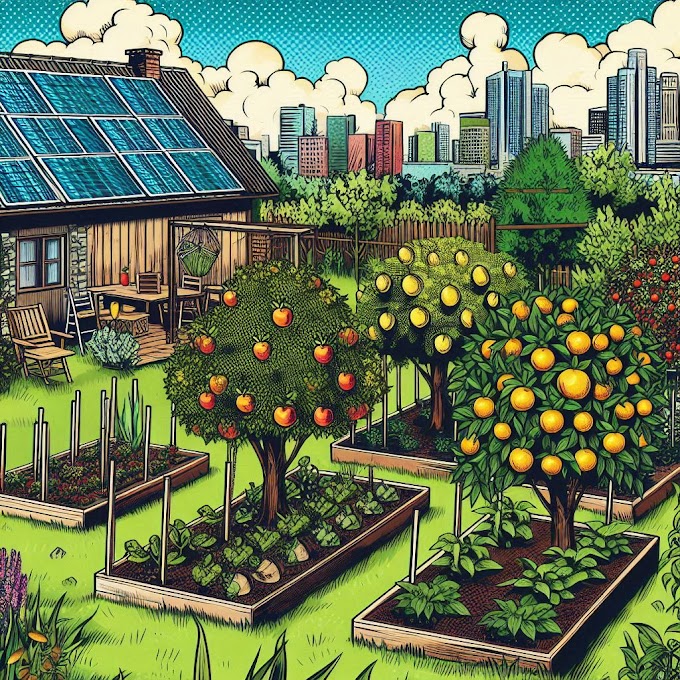
🌱 Fast Growing Survival Foods for Your Backyard Garden
Quick-Harvest Crops That Keep You Fed in Any Crisis
When it comes to survival gardening, speed can save you. Some crops go from seed to table in weeks, giving you fresh food before the slow growers catch up. Planting fast-growing vegetables and herbs ensures your garden supports you immediately while your long-term crops mature.
Here’s how to maximize backyard resilience with rapid-harvest foods.
Why Fast-Growing Crops Matter
Fast-growing survival foods are crucial because they:
- Provide early nutrition while other crops mature
- Reduce pressure on stored food
- Fill gaps during emergencies or crop failures
- Boost overall garden productivity
These crops are your garden’s first line of defense.
Top Fast-Growing Vegetables
Leafy Greens
- Lettuce (Romaine, Butterhead, Leaf) – 30–45 days
- Spinach – 30–40 days
- Arugula – 20–30 days
- Kale – 40–50 days
- Mustard greens – 30–40 days
Root & Bulb Vegetables
- Radishes – 20–30 days
- Turnips – 30–50 days
- Green onions – 30–40 days
- Baby carrots – 40–50 days
Legumes
- Bush beans – 50–60 days
- Peas – 50–60 days
- Lentils – 60–70 days
Other Quick Crops
- Zucchini & summer squash – 45–55 days
- Cucumbers – 50–60 days
- Bok choy – 30–40 days
- Swiss chard – 30–50 days
Rapid-Growth Herbs for Survival
Herbs are not just for flavor—they can support health and nutrition in emergencies:
- Basil – 20–30 days
- Cilantro – 30–40 days
- Dill – 30–40 days
- Parsley – 50–60 days
- Chives – 30–40 days
Strategies to Maximize Speed and Yield
- Succession Planting – Stagger seeds every 1–2 weeks for a continuous harvest.
- Soil Prep – Nutrient-rich, loose soil accelerates growth.
- Microclimates – Use raised beds, row covers, or containers to extend growing conditions.
- Mulching – Retains moisture, reduces weeds, and keeps roots warm.
- Light & Water – Fast growers need consistent sunlight and deep watering.
Layer Your Garden for Resilience
Combine fast-growing crops with slower, long-term survivors like:
- Potatoes
- Winter squash
- Fruit trees
- Perennial herbs
This creates a self-sustaining system where you always have something ready to eat.
Fast-growing survival foods are your immediate armor against hunger. By planting smart, staggering crops, and layering your garden strategically, you can turn even a small backyard into a highly productive, crisis-proof oasis.
Even in the worst-case scenario, these crops ensure you eat fresh, stay nourished, and keep your garden growing for the long haul.