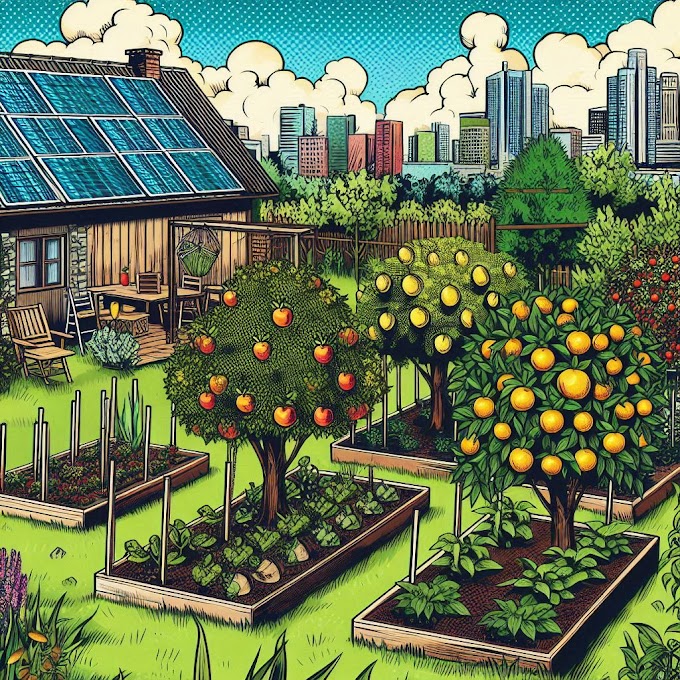
Growing Vegetables for Self Sufficiency
Growing your own vegetables is one of the most rewarding steps toward self-sufficiency. Fresh, homegrown produce provides nutrition, reduces grocery costs, and strengthens your resilience during uncertain times.
Choosing the Right Vegetables
Select vegetables based on your climate, season, and space. Fast-growing, easy-to-harvest crops like lettuce, radishes, and spinach give quick results. Long-term staples like potatoes, carrots, and onions store well and provide calories for weeks or months. Include leafy greens for vitamins, root vegetables for energy, and legumes for protein and soil enrichment.
Soil and Preparation
Healthy soil produces healthy vegetables. Test your soil for nutrients and pH, and amend with compost or natural fertilizers as needed. Loosen soil to allow roots to grow deeply and mulch around plants to retain moisture, suppress weeds, and improve soil over time. Rotate crops each season to prevent nutrient depletion and reduce pest pressure.
Planting and Care
Follow spacing recommendations for each crop to prevent overcrowding and disease. Water deeply and consistently, ideally in the morning, to encourage strong root growth. Companion planting can reduce pests naturally, such as planting onions near carrots or basil near tomatoes.
Pest and Disease Management
Inspect plants regularly and remove any diseased or damaged leaves. Encourage beneficial insects like ladybugs, lacewings, and bees. Avoid chemical pesticides whenever possible, relying on natural deterrents, crop rotation, and plant diversity.
Harvesting and Storage
Harvest vegetables when they are ripe for peak flavor and nutrition. Leafy greens are best eaten fresh, while root vegetables, squash, and beans can be stored for weeks to months with proper storage. Learn preservation methods like canning, freezing, or drying to extend your harvest.
Tips for Success
- Start with a few easy crops and expand as your confidence grows.
- Keep detailed notes on planting dates, varieties, and yields.
- Experiment with containers, raised beds, or vertical gardening if space is limited.
- Rotate crops and use cover crops to maintain soil health.
- Save seeds from your strongest plants to develop a sustainable supply.
Growing vegetables provides independence, nutrition, and satisfaction. Even a small garden can produce significant yields, helping you build resilience while connecting you to the rhythms of the natural world.